Custom Reporting vs. Dashboard Theater: What Finance Teams Actually Need
Most TMC dashboards are demo candy — beautiful, generic, and disconnected from how your finance team actually closes the books. Here's what real reporting looks like.
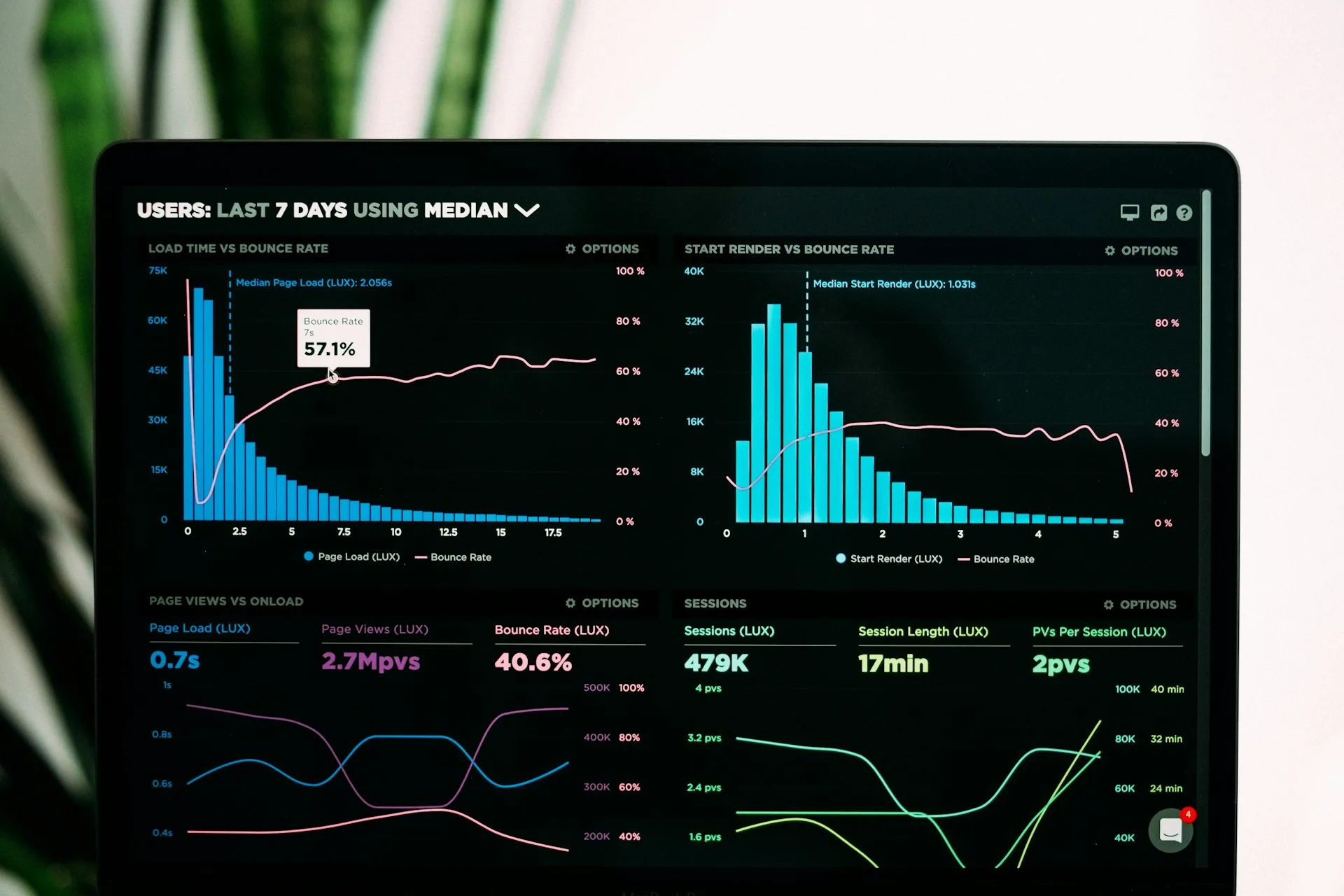
Every TMC pitch ends with the same slide: a screenshot of a dashboard. Donut charts. A map with pins. A KPI tile that says 'Savings: $1.2M' with no explanation of the denominator. Demo candy. Finance teams don't run the close on demo candy.
What actually moves the needle is custom reporting tied to your chart of accounts, your cost centers, your project codes, your approval hierarchy — refreshed on the cadence your team operates on, delivered in the format your systems consume. That's not a dashboard problem. It's a partnership problem.
The competitive landscape makes the problem worse. Self-serve platforms ship one analytics surface that looks the same for every customer, because that's what scales their margins. Mega-TMCs offer 'configurable' reporting that turns out to mean three saved filters on top of a fixed schema. Neither model can answer the question your CFO actually asked on Tuesday afternoon, in the form they need it by Friday.
Real reporting starts from outputs and works backward. What decision is this report informing? Who reads it? What system does the data need to land in? Once those are answered, the dataset, the cadence, and the delivery format follow. Building in the other direction — starting from the dashboard library and hoping a tile fits — is how programs end up with twelve reports nobody opens.
Balboa builds reporting around the questions your CFO and travel manager are actually asking: unused ticket exposure by entity, policy compliance by department, supplier mix vs. negotiated targets, carbon by traveler. When the question changes, the report changes — in days, not in a 'product roadmap' deflection. We deliver in the format your team consumes, whether that's a scheduled email, a CSV drop into your data warehouse, or a live API feed into the BI tool you already pay for.
Customization extends past the data itself. Approval thresholds by department. Pre-trip exception flags by traveler tier. Carbon allocation rules that match your sustainability reporting framework. Each one is a small change. Together they're the difference between a travel program your finance team trusts and one they work around.
If your current provider's answer to 'can we get this cut differently?' is 'that's not in the standard report library,' you're paying for software, not a program. The fix isn't a better dashboard — it's a partner who treats reporting as a conversation, not a catalog.